2024 in review: press freedom in an election year
Summary. 2024 was the year with the most elections in recent history, and at the same time one of the hardest for journalism. This report summarizes the events the Velours team followed during the year, with references to primary sources.
1. Journalist safety
The war in Gaza accounted for most of the journalist deaths recorded by international organizations. In Latin America, the live assault on TC Televisión in Ecuador and the persistence of violence against the press in Mexico shaped the regional agenda.
2. Legal frameworks
Europe passed three major laws for the sector: the European Media Freedom Act, the anti-SLAPP directive against abusive lawsuits, and the Artificial Intelligence Act. In the opposite direction, Georgia passed a “foreign influence” law that stigmatizes internationally funded media.
3. Imprisonment and releases
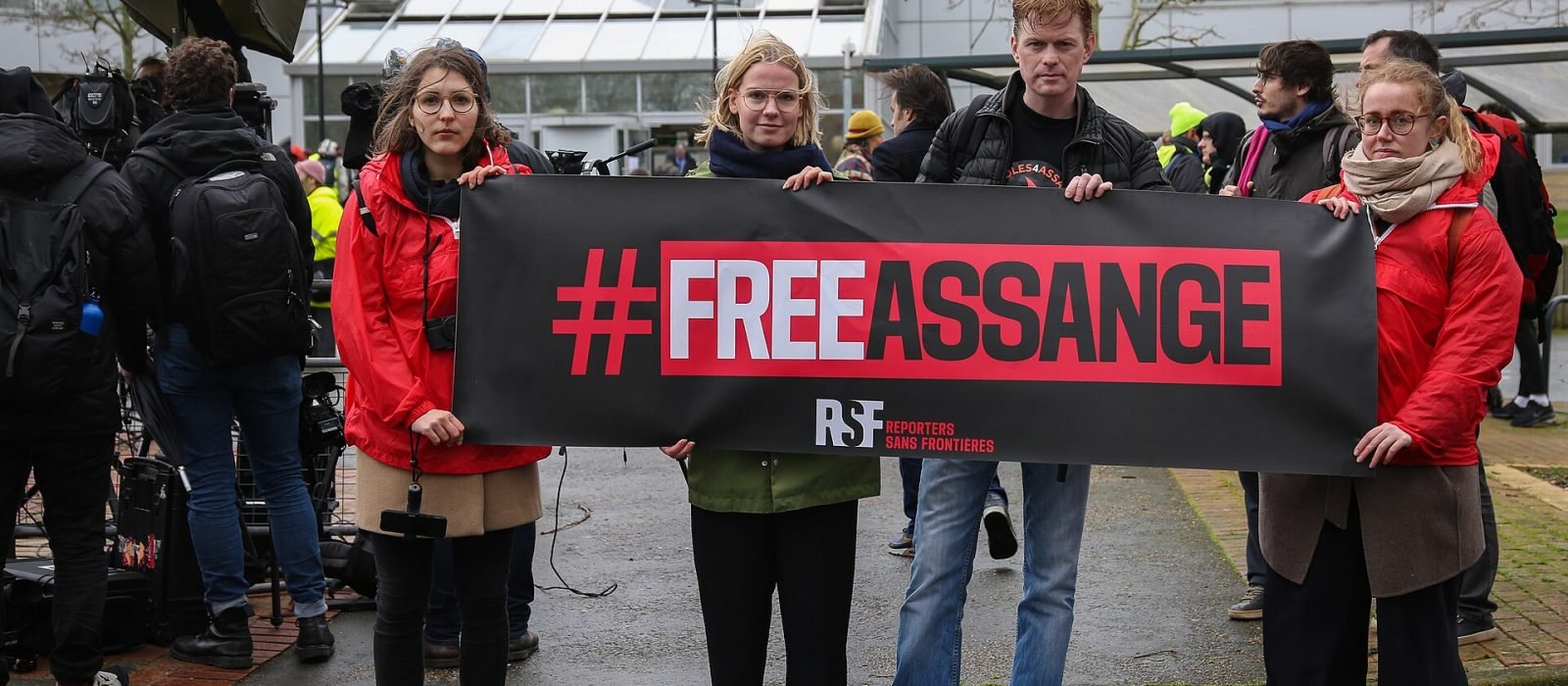
The release of Evan Gershkovich and Alsu Kurmasheva in a prisoner swap, and of Julian Assange after a plea deal, were welcome news with complex implications: neither resolved the underlying problem of the criminalization of journalism.
4. Platforms and information
The suspension of X in Brazil, the detention of Telegram’s founder in France, and the internet blackout in Bangladesh showed that control over digital infrastructure is now a central front for freedom of information.
Sources
Reporters Without Borders · Committee to Protect Journalists · Reuters Institute · UNESCO.